Topic
4 entries
Garry Tan's gstack is an open-source framework comprising 23 AI specialist tools designed to turn Claude Code (and other AI agents) into a virtual engineering team, covering roles like CEO, Designer, Eng Manager, and QA. It significantly boosts individual developer productivity, enabling one person to ship products at a pace comparable to a large team, by integrating AI throughout the entire software development sprint lifecycle. The framework provides interconnected slash commands for planning,
This GitHub repository offers the "loop-engineer-template," a starter kit for building autonomous AI agents designed to wake on triggers, perform work, verify outcomes, and log learnings into a shared, file-based memory. The core concept is "compounding" work, where multiple specialized loops (e.g., support, product, SEO) interact with a common knowledge base, allowing insights from one to inform and accelerate others. The template provides a structured knowledge base, a codebase harness, and necessary skills to enable agents to autonomously run, test, and ship code changes. It aims to shift development from task-by-task prompting to designing self-sustaining agent loops.
The article investigates whether AI code editors genuinely improve developer performance by soliciting feedback from PostHog's product engineers. While some engineers found features like autocomplete beneficial, the overall sentiment regarding the tools' effectiveness was mixed. The piece aims to highlight potential pitfalls or areas where AI assistance might not always lead to better outcomes.
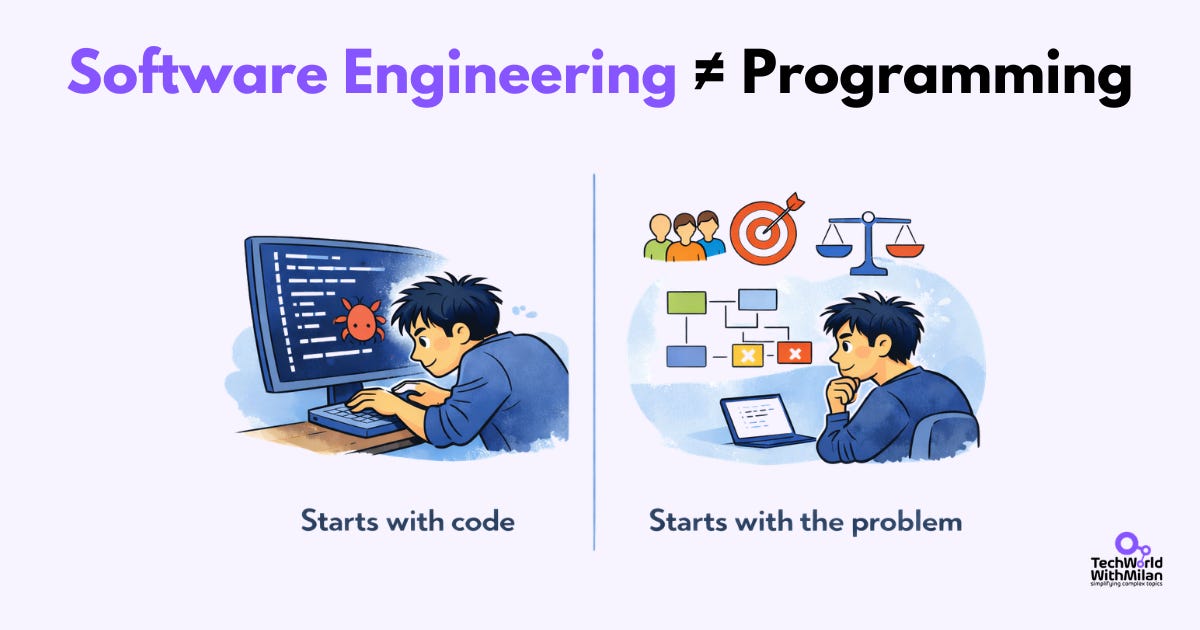
The article posits that software engineers are primarily compensated for efficiently solving problems, rather than simply writing lines of code. It highlights a common pitfall in engineering organizations where individuals instinctively jump into coding immediately upon encountering a problem. This approach, the author suggests, often bypasses essential analysis and strategic thinking, leading to potentially less efficient solutions.